Category Archives: News
Gökova Stakeholders Solution Analysis Meetings Completed
Gökova Stakeholders Solution Analysis Meetings were held on 9-10-11th June 2010 in Akyaka and Gökova Districts of Muğla Province, within the context of “Gökova SEPA Integrated Coastal and Marine Management Project” (Gökova ICMM Project) conducted in the partnership of Underwater Research Society – Mediterranean Monk Seal Research Group and Rubicon Foundation.
Coastal Zone Classification Field Study Completed
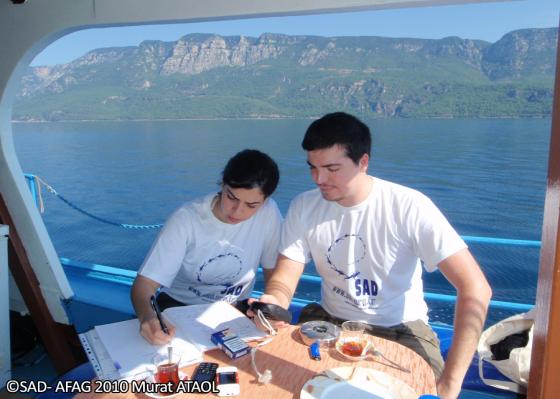
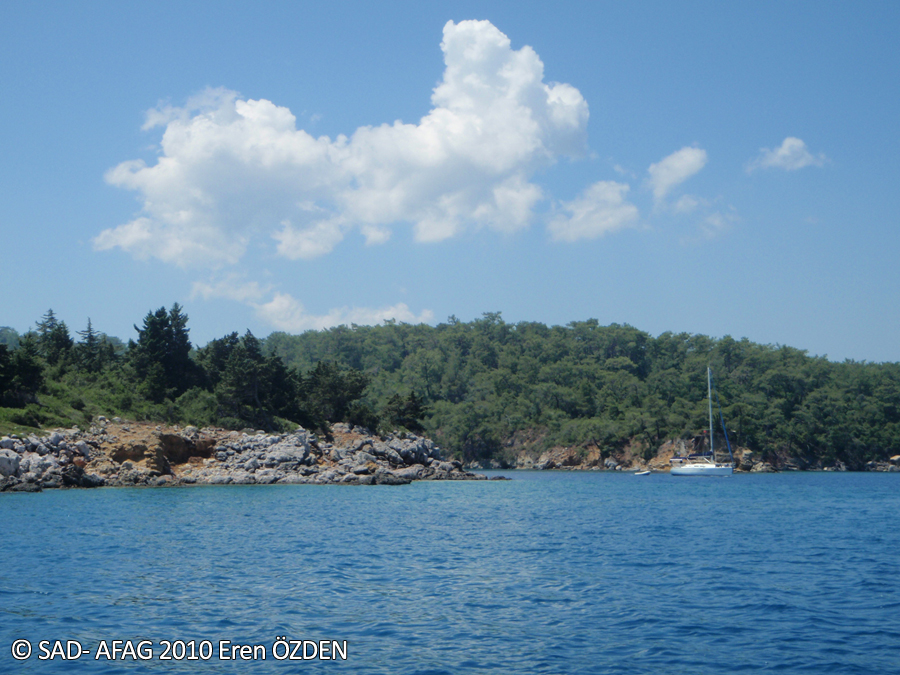
In the field study conducted between 12-15th June 2010, the study team comprising of Semiha Demirbaş, Eren Özden, Eray Çağlayan and Murat Ataol examined all the coasts within Gökova Bay included in the boundaries of Gökova SEPA, cruising approximately 78 nautical miles, on the first day of which related experts from EPASA, Emrah Manap, Suda Ekici and Nurhan Şen also participated. The study was based on the coastal classification in the Standard Data Entry Form developed according to the Protocol concerning Specially Protected Areas and Biological Diversity in the Mediterranean and the Action plan for the Protection of the Marine Environment and the Sustainable Development of the Coastal Areas of the Mediterranean (MAP Phase II), adopted by the Contracting Parties to the Barcelona Convention in 1995. The coastal habitats were classified according to their typological characteristics as coastal wetlands, salt marshes, sand dunes, sand and shingle beaches, sea cliffs and rocky shores, together with the vegetation classified according to the biogeographical variation of the Mediterranean region.
It was observed that the study area is mainly composed of rocky shores, but especially a part of the northern coast and Çatı site in the southern coast have eroded rocky shore formations. Steep cliffs in these areas, wetlands in river deltas, and reed fields in the areas of carstic water occurance are the main indicators of the region. Besides these, an important characteristic of the coast line is represented by a number
of shingle rubbish formations. Piers, binding and anchoring locations of boats and yatches and the other antropogenic facilities such as beaches, campings, restaurants and settlements in the coastal zone were also recorded during the field study.

Habitat destruction in the southern coasts of Gökova Plain
Comprehensive biological diversity studies are carried out in Gökova Plain since January 2009 and additionally possible threats directed to the natural areas evaluated within this field studies as well. As acting on a tip-off acquired at May 13, 2010, it’s seen a valuable coastal line iin the area s filled up with solid as an act against the legislation and heavy construction equipments were working on the nearby wet-land.
Construction Work in Gökova Taşbükü Bay
Taşbükü Bay is a beautiful coastal area (for now) located between Çamlı and Boncuk Bays in the southern coasts of Gökova SEPA. Photos taken in the area have shown massive construction activities conducting in the area. SAD will get in contact with the governmental agencies about this situation.
Field Studies on Mediterranean Monk Seal and Coastal Habitats Accomplished in Gökova SEPA
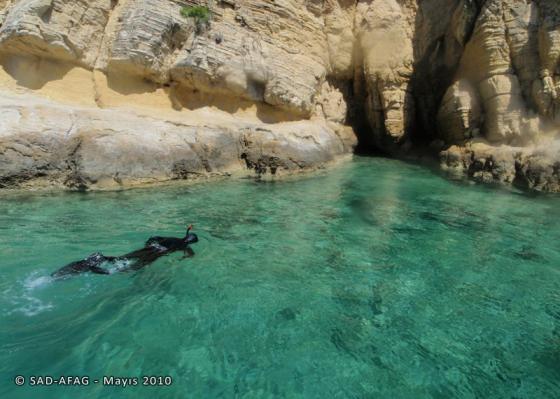
Studies on the presence of Mediterranean monk seal and its habitats completed within Gökova ICMM Project funded by BBI Matra funds.
Research studies on Mediterranean monk seal and its habitats accomplished within the Gökova SEPA located in Gökova Gulf covering whole area between the dates of 4 to 9 May 2010.
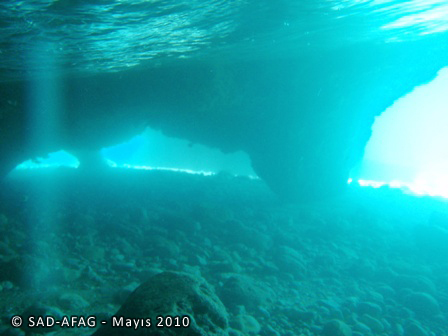
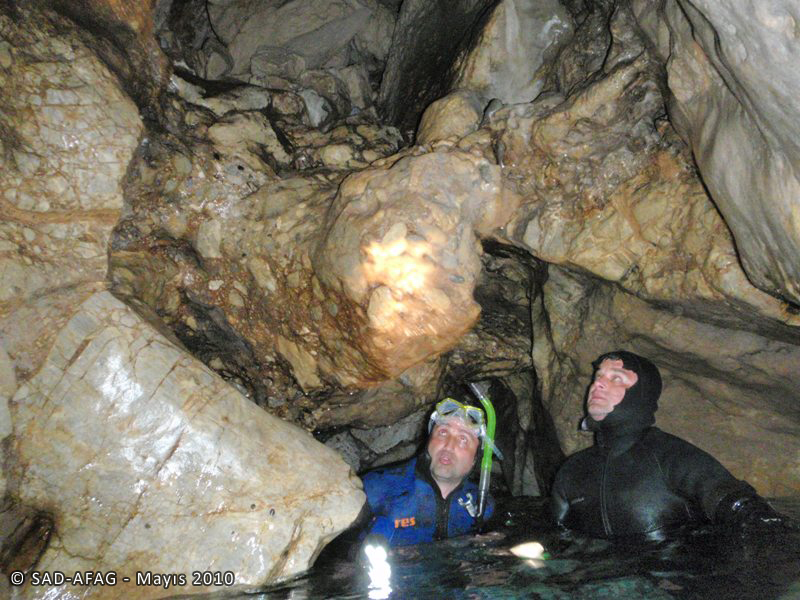
Cem Orkun Kıraç and Project Manager Nesimi Ozan Veryeri from SAD-AFAG research team, free diver Erkin Tonguc and Can Görgün, the chairman of Akyaka Fishery Coop., who has wide experience on the area, participated in the surveys. The studies initiated from the northern border of 207 km long Gökova Special Environmental Protection Area, performed to cover entire Gökova SEPA region and the islands. Fieldwork was carried out using 8,5 m long fishing boat navigating at low speed. Potential habitats of Mediterranean monk seal in the Gökova Gulf are revealed and distinctive and impressive new information obtained about the coastal and marine areas. Breeding habitats of Mediterranean monk seals have been identified and an adult female Mediterranean monk seal was found and photographed in the bottom of a deep cave. Female adult individual, whom found in a cave around Akyaka- Ören in the northern side of the gulf, was also recorded with video camera.
As a result of literature review, field survey and habitat research studies since January 2009, it’s revealed that whole Gökova SEPA region covers important coastal habitats for the Mediterranean monk seal. As known, Mediterranean Monk Seal (Monachus monachus) is an endangered species worldwide and in CR category, critically endangered, according to the IUCN criteria. Monachus monachus has around 600 members in the world, and it’s representing with 100 individuals in our country. Mediterranean monk seal can be found mainly in untouched and pristine coasts of the Aegean and Mediterranean Seas but unfortunately no longer exist in the Black Sea. These rare marine mammals and the pristine shores as its habitats are under protection by the Bern, Barcelona, CITES and Landscape conventions to which our country is also party.
Interviews and one-to-one intelligence studies on the factors threatening presence of Mediterranean monk seal and its habitats will continue to be carried out during the summer 2010 with the fishermen operating in the region all year round. The data derived about the presence of Mediterranean monk seal and its habitats will shed light on the draft management plan to be prepared for the Gökova SEPA Region in cooperation among SAD-AFAG, local NGOs, EPASA, MARA and other professional stakeholders.